
Do animals have reason?
..if we listen...

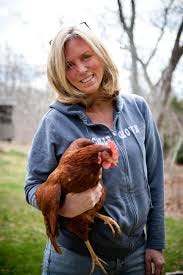
Listening isn’t only something we do with our ears. With animals, listening is attention—watching what they choose, what they avoid, what they repeat until we finally understand.
This morning, on a cold January day, I looked out the window where I could see so much farther than I can in summer. Without leaves, the terrain opens up: the ridgeline behind my house, the shape of the land revealed. Along the ridge I spotted a small black movement—quick, porky, a silhouette against the sky. If I didn’t recognize it, I might have thought it was a miniature black pig.
But it was Bear—some kind of purebred canine, more rompy teenage boy than dog, all bounce and mischief in a black-furred body. He could pass for a stuffed animal—maybe even a bear. As the crow flies, he lives about a mile and a half away, over the hill and through the woods. He’s cute as a button, and he comes over almost every day.
I tell myself stories about why. Maybe it’s an act of defiance toward his owner. The owner, who often acts annoyed that his pup is missing again… comes regularly the long way, in his white jeep, maybe 5-6 miles over roads to my place. Maybe Bear is simply curious—making his rounds, checking on the neighborhood, wanting to know what’s happening out here in the wide, wide world. I like watching him. I let my dog out to greet him, and the two of them chase each other in widening circles until, without drama, they split off and go their separate ways—each returning to whatever invisible map they’re following.
And that’s the thing: animals are always following something we can’t quite see. A scent. A memory. A habit. A fear. A desire. A reason.
I like to ponder this idea of animals and their reasons…
I recently learned about a farm sanctuary in New York that houses more than 500 cows, pigs, and chickens. The animals can choose each day whether they want to participate in a study. That is right; they get to volunteer.
They can opt in or out.
How absurd, I thought. I could probably get almost any farm animal to do something that looked like consent. Food alone is a powerful motivator. But then I paused. And began thinking about other reasons.
Not long ago, I posted a photo of one of our pigs after slaughter. We were using a blowtorch to remove the hair, a standard and necessary step in processing pork—no different from plucking a chicken. An old friend commented that the image reminded her of Jews in concentration camps.
The comparison stunned me. I went back and studied the photo again, trying to see what she saw. I couldn’t. A well-raised animal, slaughtered for food, simply did not resemble a caged human being to me. The analogy felt not only wrong but careless.
We raised pigs every year for over 25 years. Their life cycle fit the seasonality of my catering business, which produced a great deal of kitchen waste. Feeding scraps back to pigs was an act of reuse. By October, when we slaughtered them, they had spent months feasting on scrapes, millions of acorns that fell and were gathered by the bucketful from our oak trees, and a little bit of organic grain. And the meat is just delicious. And the pigs' lives; pretty darn happy little creatures…
I thought about my pigs and their reasons.
They have many. They know who feeds them. They come running. They roll, romp, and root in a large pastured pen. They laugh out loud. They live fully into their pigginess. Their interactions with us are voluntary, enthusiastic, and unmistakably intentional.
Then I thought about the canine I have known.
I had a stubborn, 16-year-old mutt named Victor. He was a notorious biter. Toward the end of his life, I learned through DNA testing that he was 19% Chow—something that made me laugh. My friend Francesca nailed it: the first time she saw him “He’s a CHOW,” she recognized his personality without hesitation. Chows are known to be aloof, independent, and stubborn, with a tendency to bite, and are often considered high-risk. That description fit him perfectly, even though he looked nothing like one.
Living with him taught me patience. Life was always on his terms. I had to be attentive, firm, gentle, and persistent. He could snap on something so seemingly irrelevant. He came to me as a five-year-old rescue. I had to listen to his cues and respect his history.
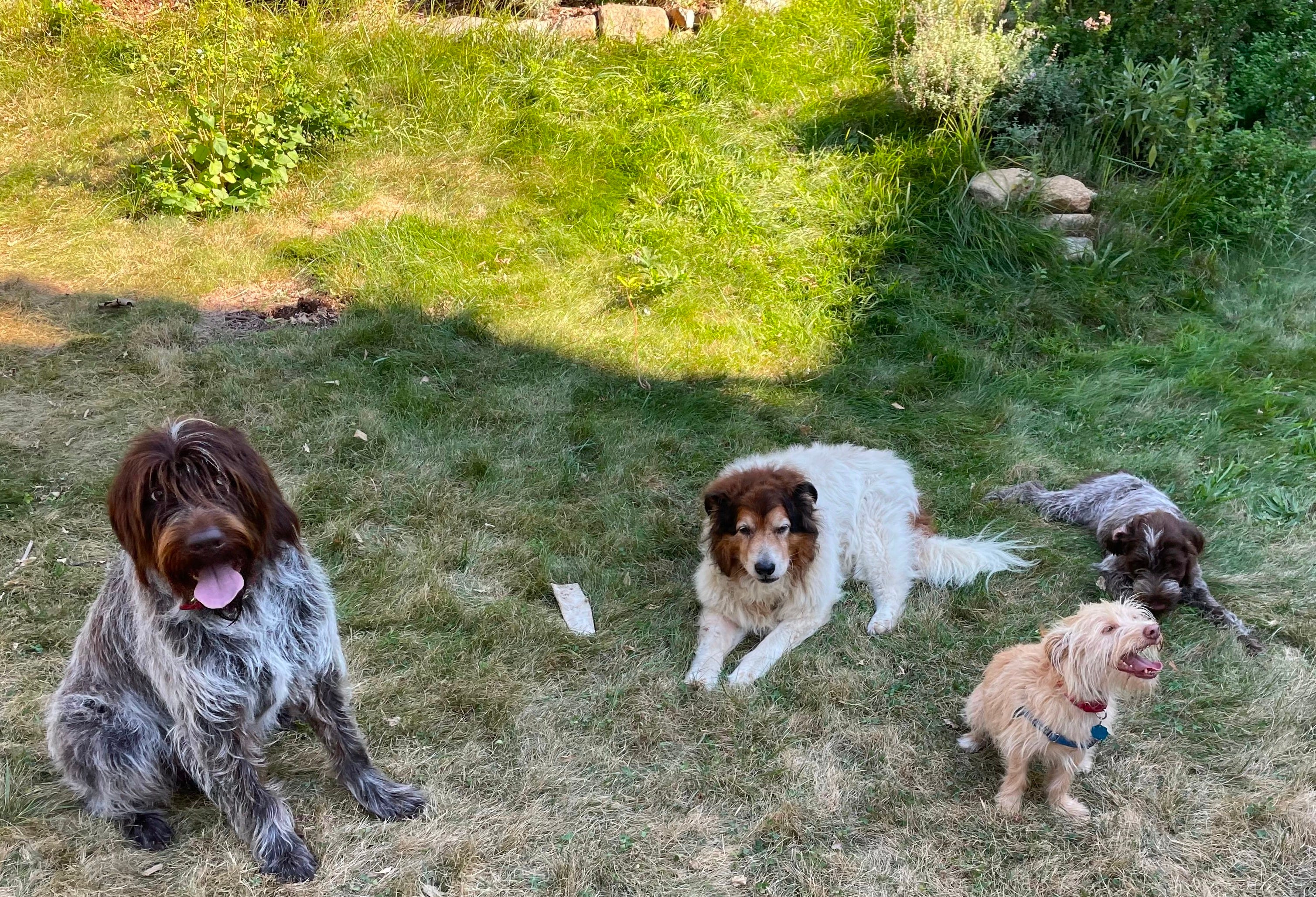
My son’s dog, Doc, is the opposite. I have had him do almost a circus act. He adores me. He’s eager, obedient, and delighted to comply. He has his reasons, too.
Chickens aren’t so different, though I’ve never tried to train them into obedience. Still, I’m certain I could get them to follow me if I needed to.
And chickens and pigs could easily slip over into the pet category, which gets really complicated, but I have my reasons, too.
I once had a hen who insisted on sleeping on our porch, perching high in the rafters instead of going into the henhouse. Every night, I climbed a ladder, scooped her up, and put her back with the others. I even spoke to her aloud, convinced she’d eventually understand that she belonged there.
She didn’t.
One morning, she was gone. I was upset—not just by the loss, but by the unanswered question. Why had she refused the henhouse so persistently?
Later, I discovered the reason. A raccoon had slowly found its way inside through a hole just large enough to pull a chicken through, piece by piece. And she knew what was coming. She had known something I didn’t. She had given me every signal. I failed to listen.
Animals have reasons. And as their keeper, it is my responsibility to notice.
So what’s the difference between raising pets and raising livestock?
I love to eat meat. I only want to eat meat raised well. I care deeply about animals. I care deeply about the environment. I want to support farmers who steward land responsibly and build resilient communities.
Good farming gives animals space, sunlight, fresh air, and the freedom to be fully themselves. I can’t imagine a chicken raised in a dark building—confined, crowded, and treated like a unit of production—having much of a life at all. I find myself unable to eat eggs from a system that denies animals a life outdoors.
Last month I was in Wisconsin visiting my dad—Wisconsin as in the land of dairy: cows and cream, butter and cheese, rolling fields once dotted with grazing herds like punctuation across the landscape. But that is no longer what you see.
What I’ve watched change over fifty years of driving through the state is not necessarily the number of cows, but their visibility. Open pasture has been replaced by long, windowless barns stretching hundreds of feet, where 900 or more cows are kept out of sight. The animals are hidden, but the smell is not. Huge piles of manure make their presence unmistakable.
By the numbers, the herds still exist. But the relationship has changed. Cows confined indoors, standing on concrete, never feeling sun on their backs or soil under their hooves, living amid constant waste—this is not just inhumane. It’s unhealthy. In a life reduced to confinement, choice disappears. Survival becomes the only remaining reason.
That isn’t farming to me. It’s extraction—hard on animals, hard on land, hard on health. When food is manufactured in the name of efficiency, farmers vanish, land becomes anonymous, and animals lose the conditions that allow them to be fully themselves. Their reasons don’t disappear—but they shrink to endurance alone.
When I open the door to our chicken run—attached to a 12-by-20 henhouse—the hens choose what to do next. Some days they stay close. Some days they roam the property. Sometimes they don’t come out at all.
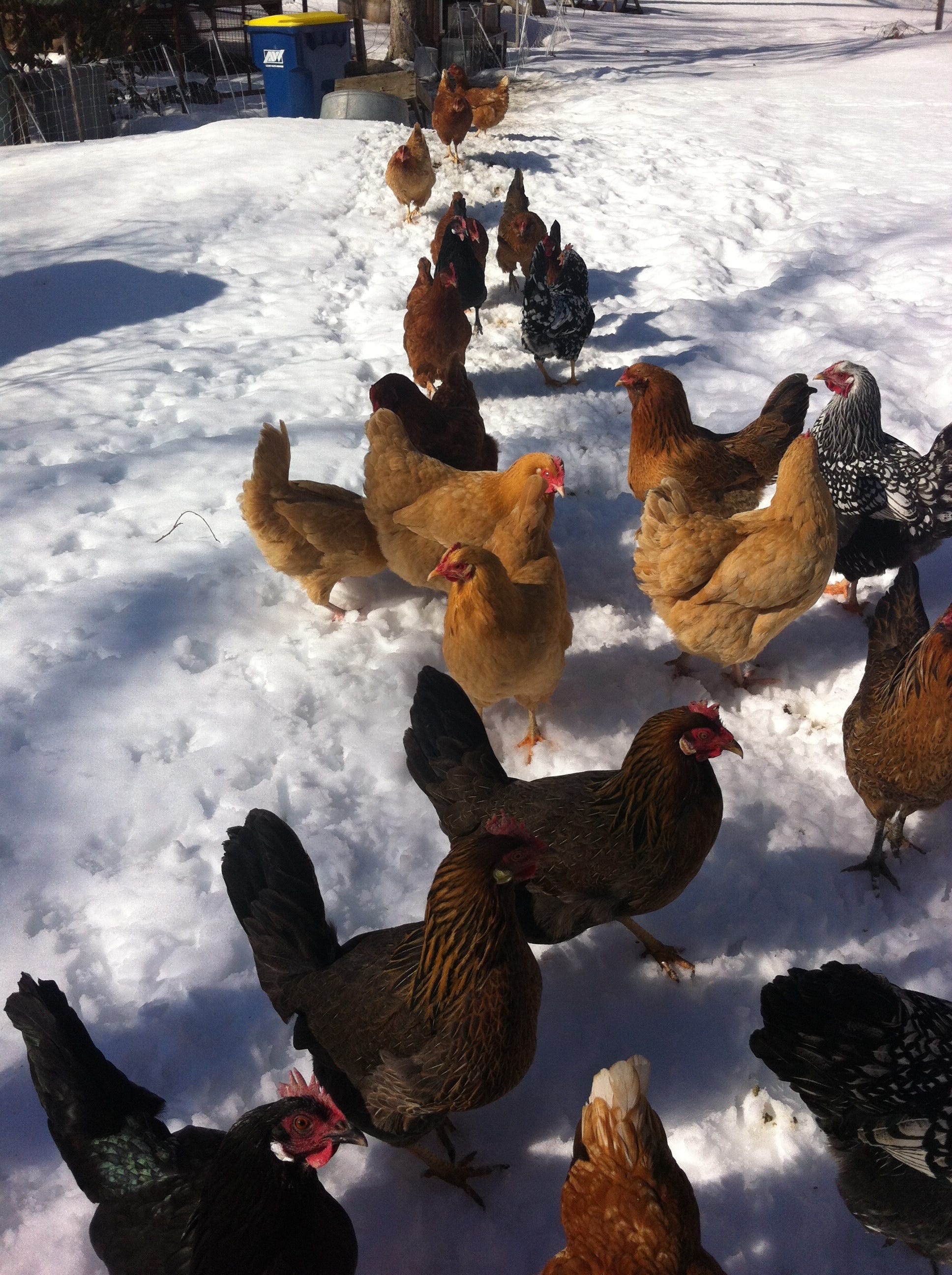
Hens checking out the snow.
They have their reasons.
We also live beneath a sky full of hawks—harriers, cooper’s hawks, red tails. When I spot chickens frozen under bushes, I know there’s danger overhead. I scan the treetops and almost always find a hawk waiting, watching.
The hawk has a reason.
The chicken has a reason.
Both are listening to the world as it is.
And so, I’m listening, too…
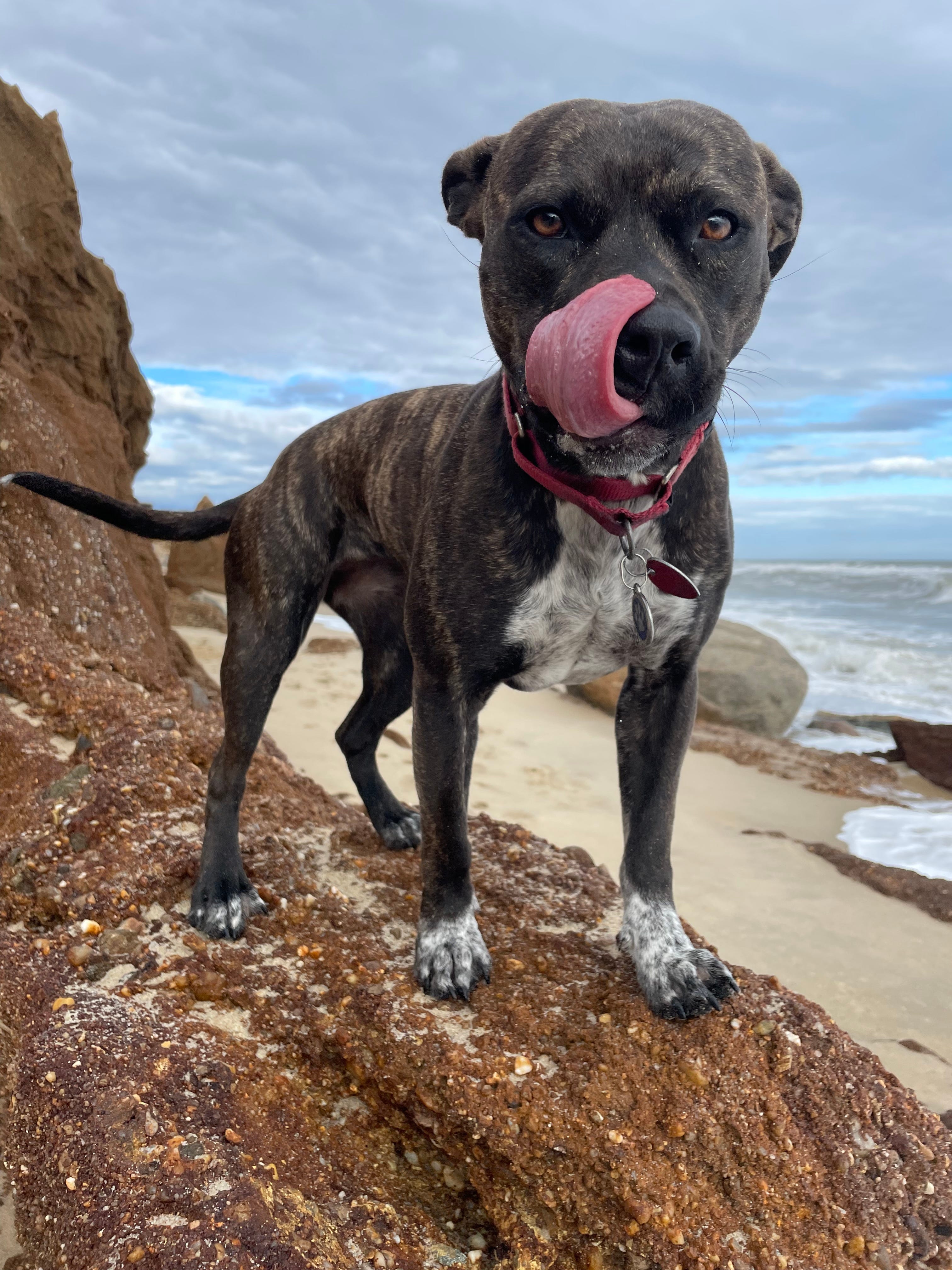
My Lulu who has many reasons…