


Not all saturated fats are metabolized the same
JB 11/4/2025
Today, I invite John Bagnulo to write in on coconut and why it is beneficial not only for our gut health but also for our overall health.
Not all saturated fats are metabolized the same by John Bagnulo
The manner in which the fatty acids found in coconut are metabolized should teach us one thing: they should not be looked at like other saturated fats. To better understand how saturated fats influence our health, it’s important to realize that there are many different lengths to saturated fatty acids. Short-chain fatty acids range from 2 to 4 carbons long and are generally produced by bacteria. They are very beneficial, specifically n-butyrate, for a variety of reasons. Food provides us very little of these. Butter contains modest amounts, but overall, the vast majority of this shorter-length saturated fat is generated when gut bacteria ferment resistant starch and certain types of fiber. Medium-chain-length fatty acids range from 6 to 12 carbons long and are almost as rare as the short-chain types when considering food sources. These are only found in significant quantities in a handful of typical human foods: breast milk, goat milk, and coconut fat.
Approximately 70% of the mostly saturated fat in coconut is medium-chain length. The greatest amount is found as lauric acid (more than 50%), which has a 10-carbon length. More importantly, lauric acid is metabolized and oxidized for energy more readily than other types of saturated fats. Equally important, lauric acid (as well as other medium-chain fatty acids) generates ketones, which provide an alternate source of energy. Ketones can support cellular energy needs, even when there may be compromised pathways that have left certain organs in an energy deficient state (the brain for example). Other unique qualities of lauric acid include an ability to inhibit gut pathogen growth and support a healthy microbiome. This may in fact be one of the greatest attributes of coconut fat: an ability to weed and shape the most important component of our health.
However, the concern that coconut fat will raise LDL levels and subsequently increase an individual’s risk for heart disease prevents many people from consuming and benefiting from one of the most beneficial sources of fat available. While studies are showing an LDL raising effect, that is not an outcome but rather a measure or a biomarker. In fact, several studies have recently illustrated a decreased risk for all-cause mortality with higher, not lower, LDL levels. There are no studies to date that have demonstrated an increased risk of heart attack, an increase in oxidized small, dense LDL, increased inflammation, higher blood pressure, or any other mechanism involved in the formation of coronary artery disease with increased consumption of coconut oil. The war over saturated fat’s influence on health continues, and, despite the lack of evidence, all sources of saturated fat are categorized the same.
We should consider coconut and coconut oil as one of the most nourishing, physiologically appropriate sources of fat available. In many ways, it should be considered medicinal. Unlike so many other cooking oils and industrial seed oils that contain mostly polyunsaturated fats and have the American Heart Association’s stamp of approval, the fat in coconut is more than a cheap source of calories; it’s a way to restore balance in the body. Balance in our use of energy pathways, balanced cell membrane fluidity, and balance in the microbiome.
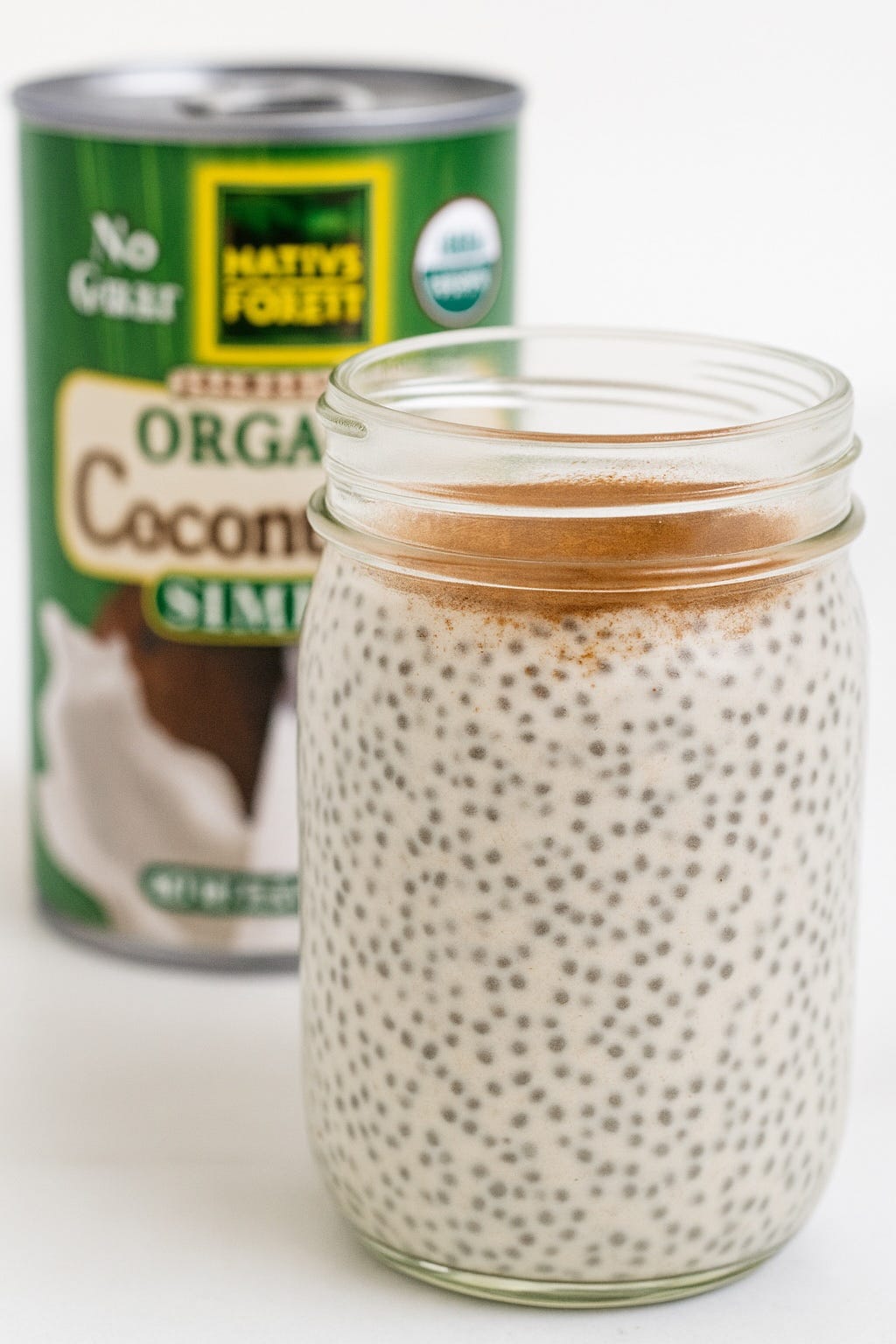
So much of healing begins not with grand, sweeping changes but with the smallest gestures: a jar of fermentation on the counter, a recipe shared with a friend, a spoonful of chia pudding made with nourishing coconut milk. These tiny acts remind us that transformation is slow, steady, and very much alive inside us.

If this resonates with you—if you’re curious about how food turns into healing, how microbes become medicine, and how community deepens wellness—then this retreat was designed with you in mind: five days of learning, cooking, and restoration. Be part of it.
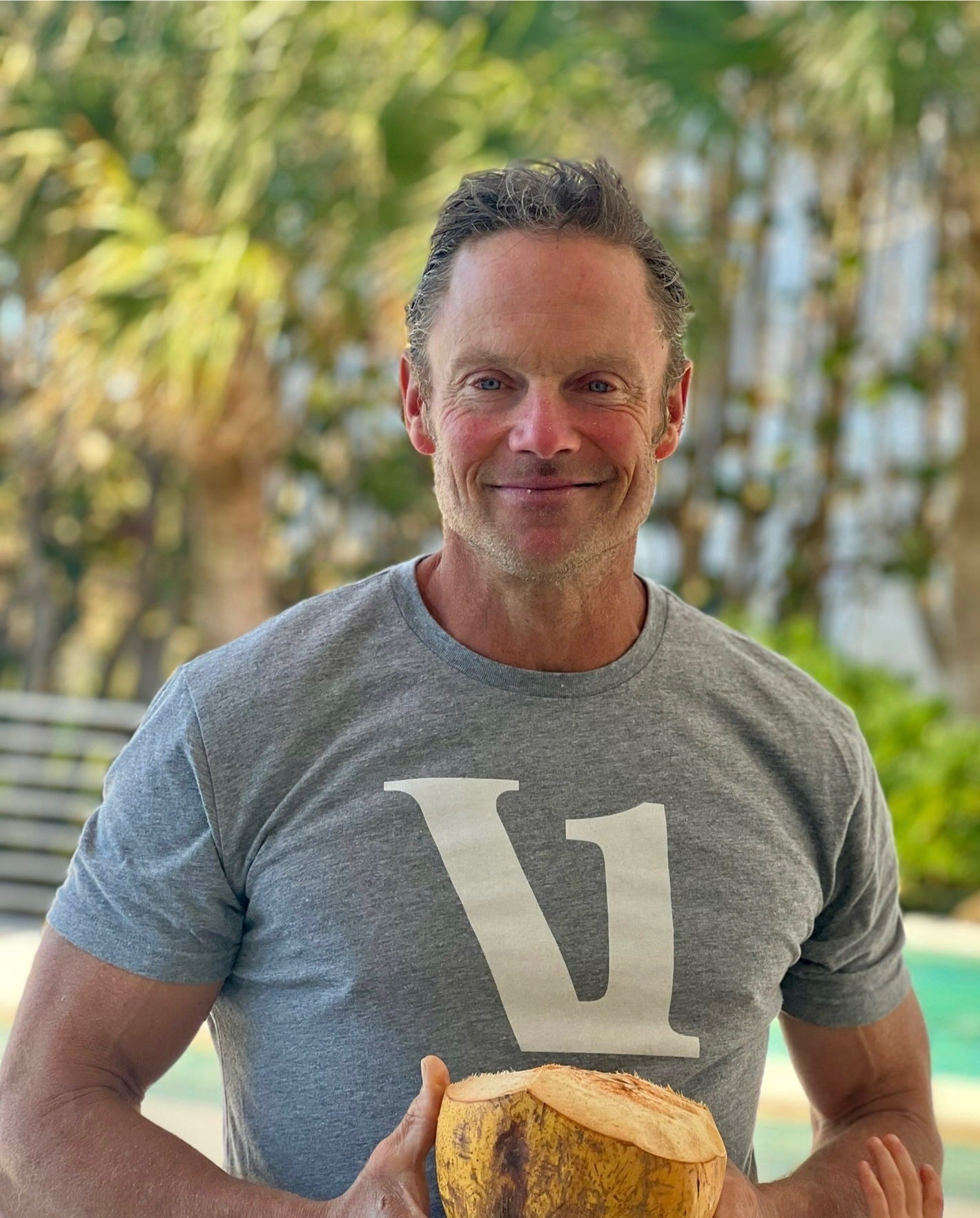
Photo of John on the beach in Sebastian—making vitamin D and finding health in coconuts. Join us—it’s relaxed, delicious, and fun!
 | A guest post by
|